
Seville Never Stopped Filming
From the first moving images to Berlin and the Lady with an Ermine, a forgotten audiovisual heritage is coming back to life.

A city that has always belonged to the screen
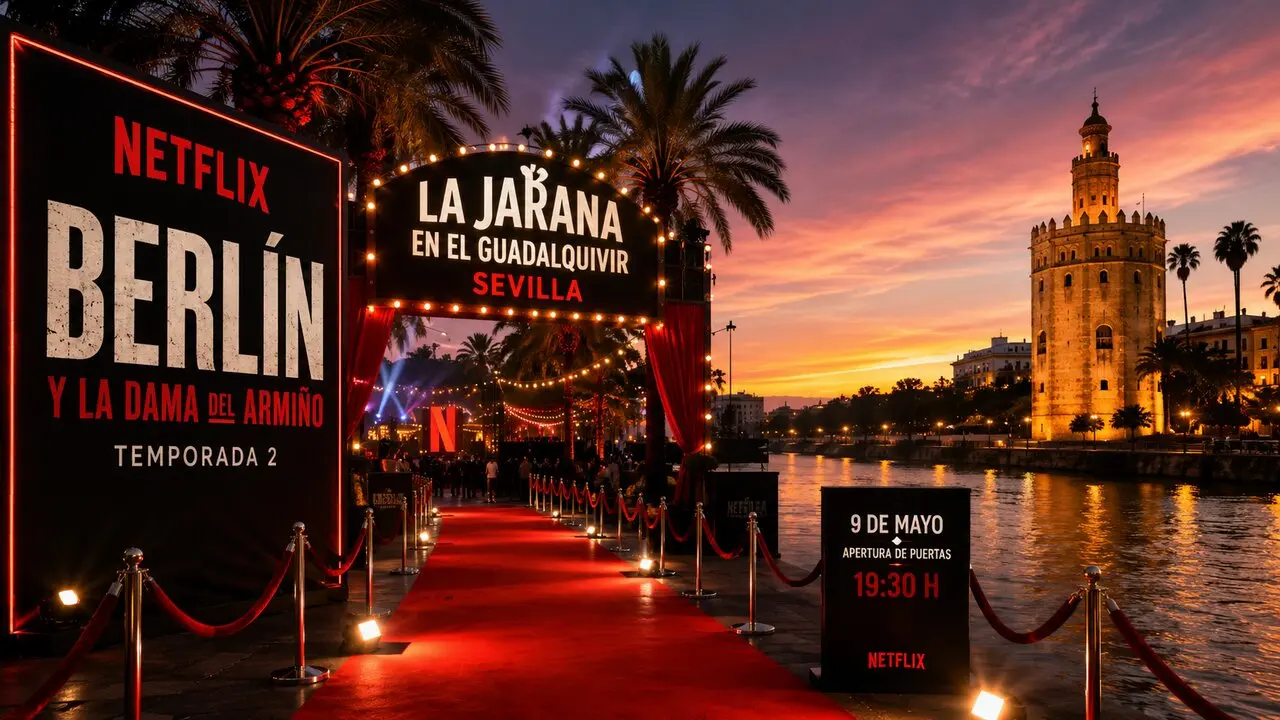
When Netflix chose Seville as one of the main settings for Berlin and the Lady with an Ermine, it was not simply selecting a beautiful backdrop. The city has been attracting filmmakers since the very beginning of cinema itself. For more than 130 years, Seville’s monumental architecture, gardens, bridges, riverbanks and extraordinary light have continuously inspired directors, photographers and storytellers from around the world. Long before streaming platforms existed, Seville was already part of the global cinematic imagination.
From film locations to cultural storytelling
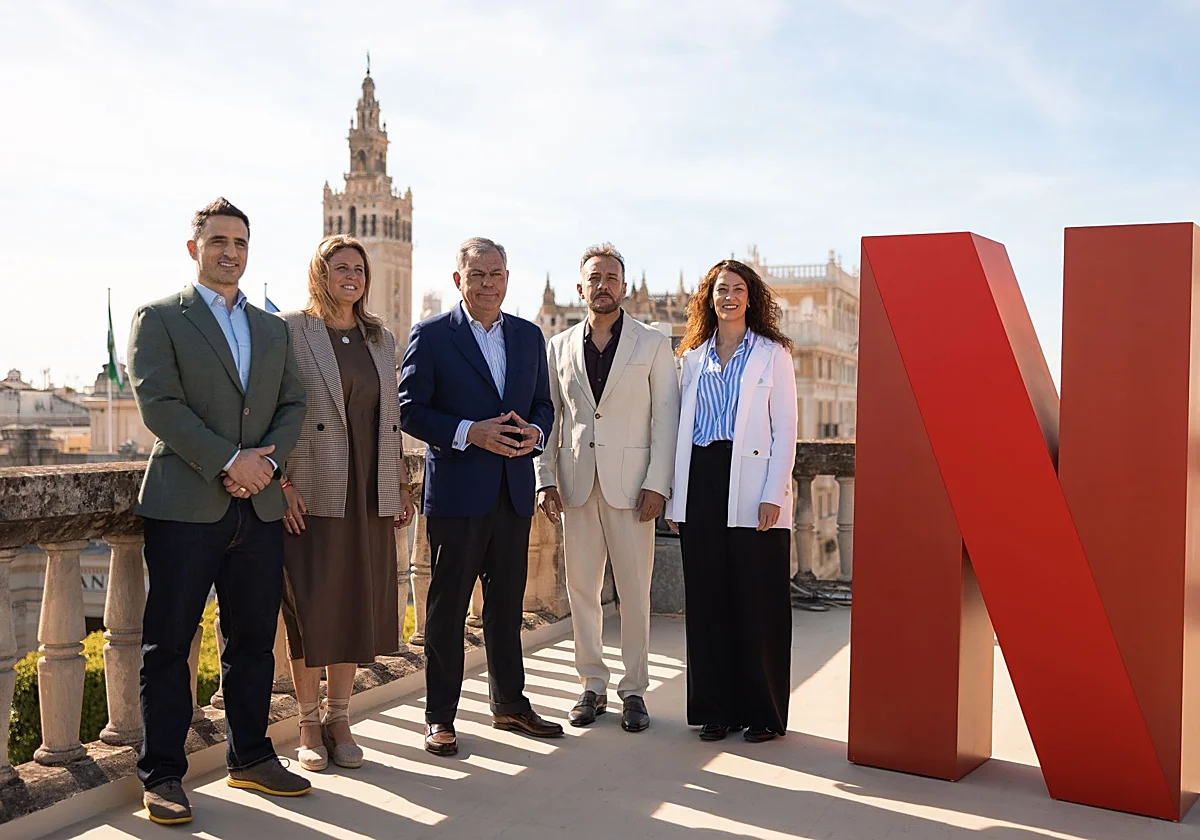
The new routes created around Berlin and the Lady with an Ermine reveal something essential: audiovisual productions are no longer just promotional opportunities for cities. They have become a new language for cultural mediation and territorial storytelling. As visitors walk through locations such as Plaza de España, the Palacio del Marqués de la Motilla, the Callejón del Beso or the Guadalquivir riverbanks, they discover not only scenes from the series, but also the deeper historical and symbolic identity of Seville itself. Fiction becomes a gateway to heritage.
A forgotten heritage ready to awaken again
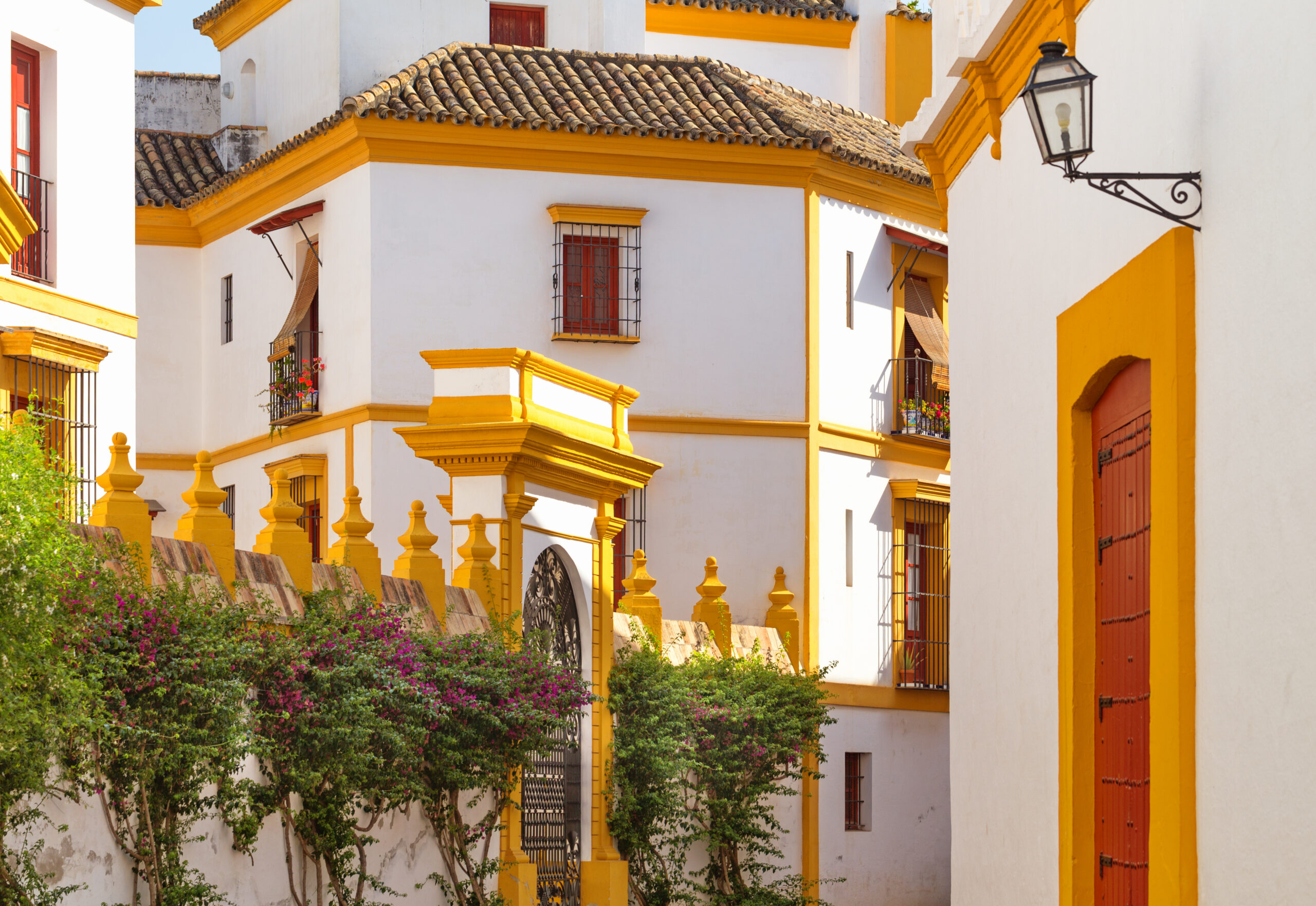
For decades, this immense audiovisual memory remained largely underused. Cities invested heavily in traditional heritage interpretation while cinema history often stayed in the background, despite its emotional and universal power. Yet millions of people now imagine destinations through films and series before ever visiting them physically. Seville demonstrates that this forgotten heritage still possesses extraordinary value. It can once again become a living cultural resource capable of enriching tourism experiences, strengthening local identity and creating new ways for residents and visitors to connect with the city.
Lorens Toolkit now equips Seville’s guides
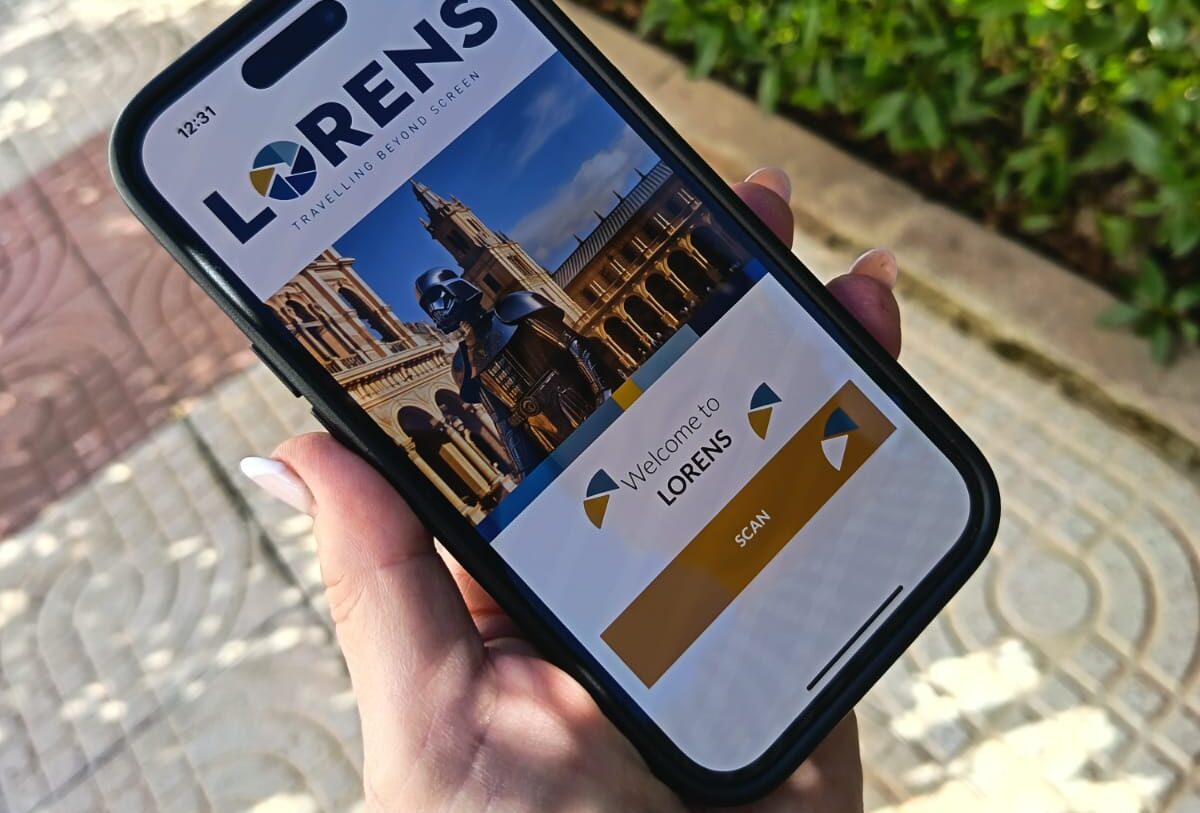
This is precisely where Lorens Toolkit enters the picture. Our platform — designed to enrich guided visits through the integration of film sequences and audiovisual content — is now equipping guides in Seville, particularly members of AUITS, the city’s largest tourist guide association. Using Lorens Toolkit, guides can instantly access scenes connected to specific locations, compare past and present images, adapt narratives to different audiences and transform a simple walking tour into a fully immersive cinematic experience. Cinema stops being a simple anecdote and becomes an active storytelling tool.

A demonstration of the future of cultural tourism
What is happening today in Seville goes far beyond the launch of a Netflix production. It is a concrete demonstration of how cities can transform audiovisual heritage into sustainable cultural and tourism products. A successful series alone is no longer enough. What matters now is the capacity to convert global visibility into real visitor experiences, cultural mediation tools and long-term territorial narratives. Seville’s collaboration with guides equipped with Lorens Toolkit perfectly illustrates how cinematic memory can return to life, recover its colors and once again become part of the cultural identity of a territory.