
Spanish television spotlights Lorens: when Toledo’s history comes to life through cinema
In a special feature by CMM Media, the program El Cuentakilómetros follows Lucía through the streets of Toledo. Her guide is Guille, an ambassador for Lorens. Screenings, archives, QR codes and layered narratives reveal the city in a new light. Cinema is not the destination, but the medium through which history speaks. A renewed way to travel—where heritage is experienced through its visual echoes.
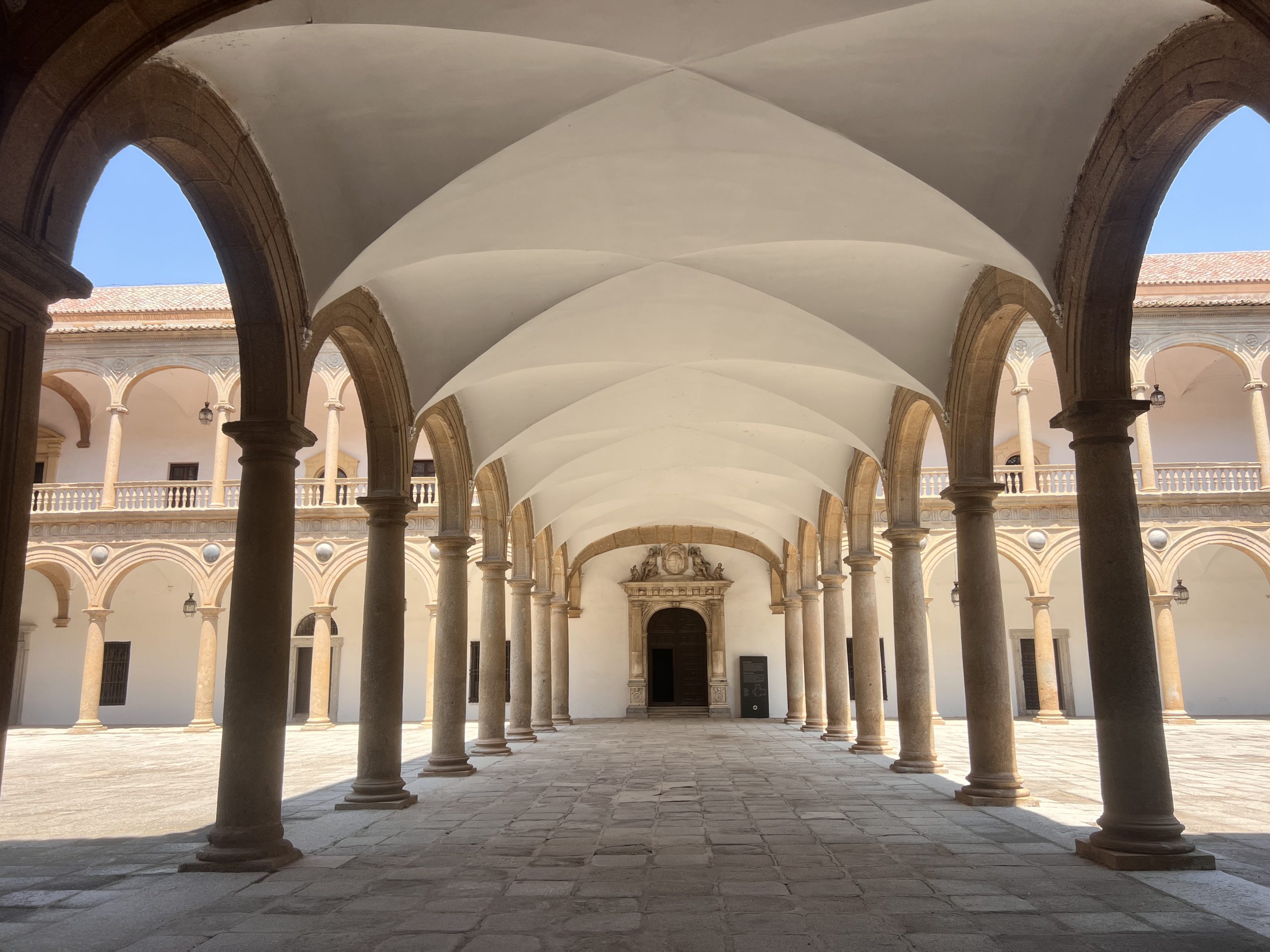
In this original report, Lucía, the show’s presenter, discovers Toledo from a completely new perspective. Guille, an official guide for Lorens, leads the way. Heritage, local history and cinema then blend into a single narrative. The visit begins symbolically at the Hospital de Tavera, a landmark that combines the functions of a former hospital, chapel and museum. This space encapsulates historic tensions between faith, power and memory. Inside, Lorens presents exclusive screenings of The Reading Club Murders (Netflix) and The Escorial Conspiracy. Delusions of Grandeur completes the programme. These clips let visitors re-read Spain’s past through the lens of cinema.
Toledo from above, between history and cinema
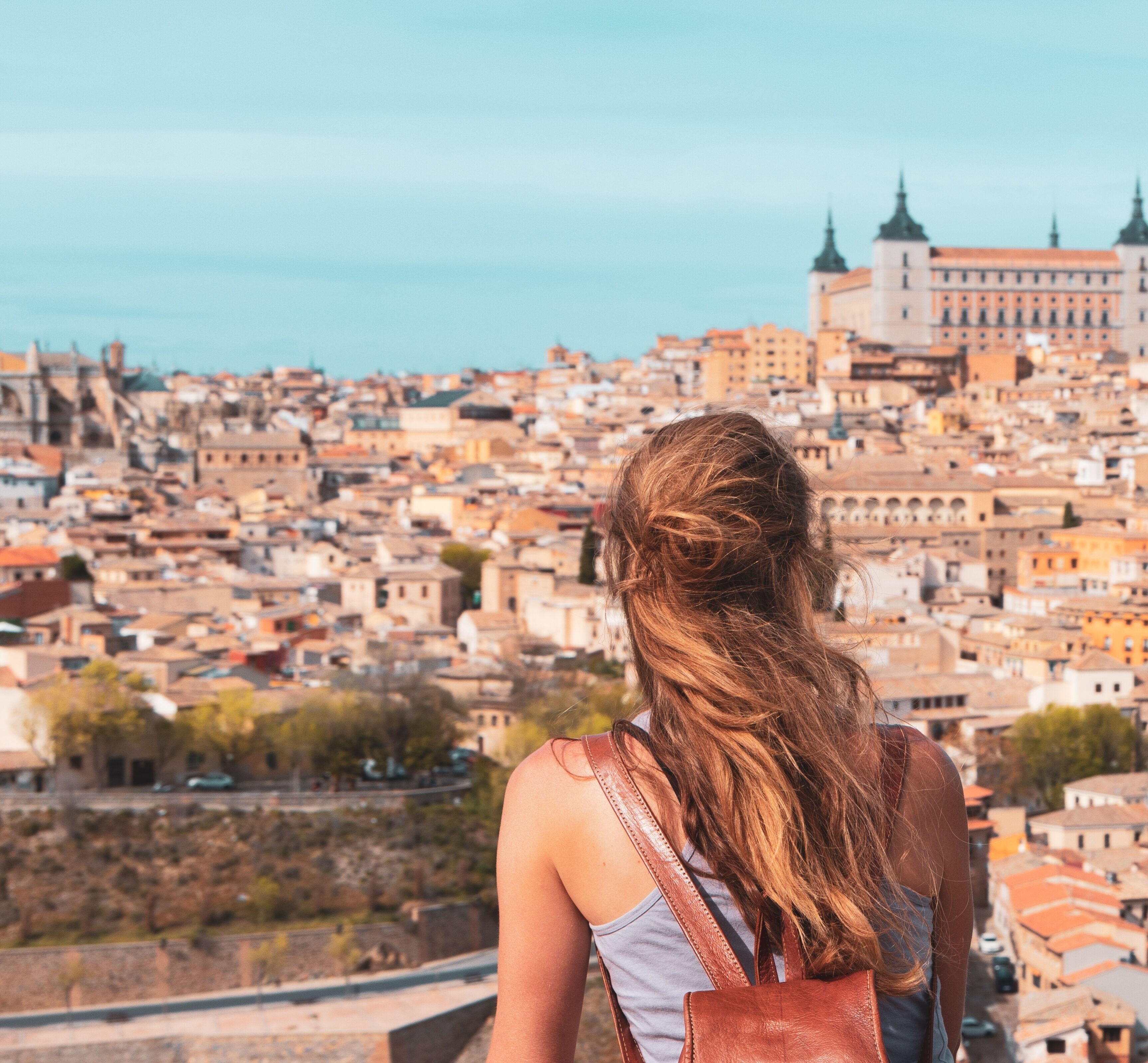
The second stop takes place atop the escalators leading to the old city. There, Lucía comes to understand the strategic geographical importance of Toledo – not only historically, but cinematically. Thanks to Lorens’ interactive QR codes, scenes filmed on-site overlay the sweeping city views. They show why this unique setting has drawn so many directors.
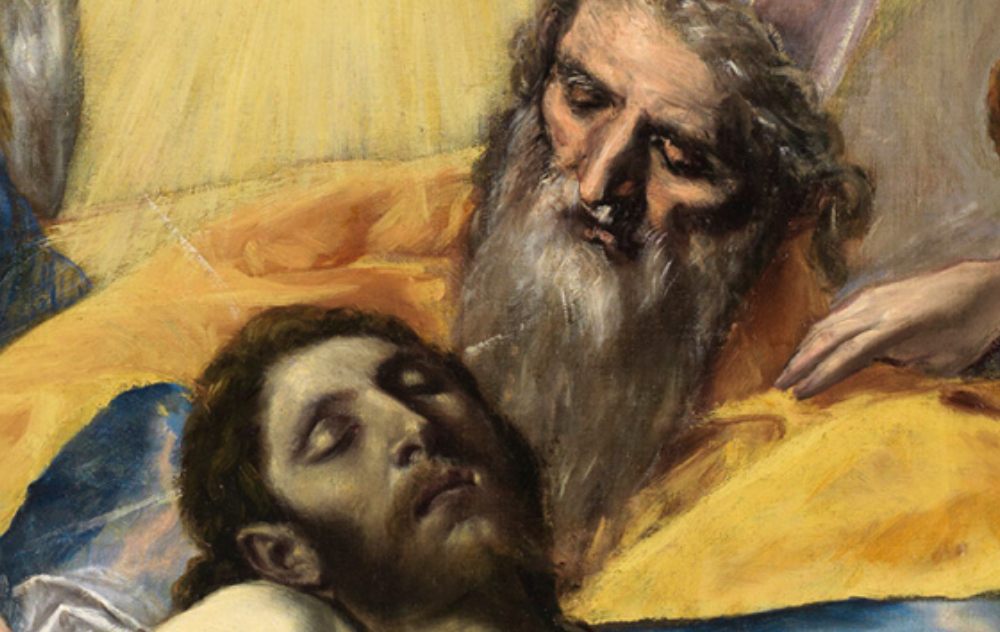
The route continues to Santo Domingo el Antiguo, where El Greco’s first tomb lies. Beyond the artist’s works, the visit reflects on how cinema has portrayed him, notably in the film El Greco. It also explores how myth, spirituality and identity take shape in visual culture.
El Cuentakilómetros in Toledo: from Tristana to The Three Musketeers
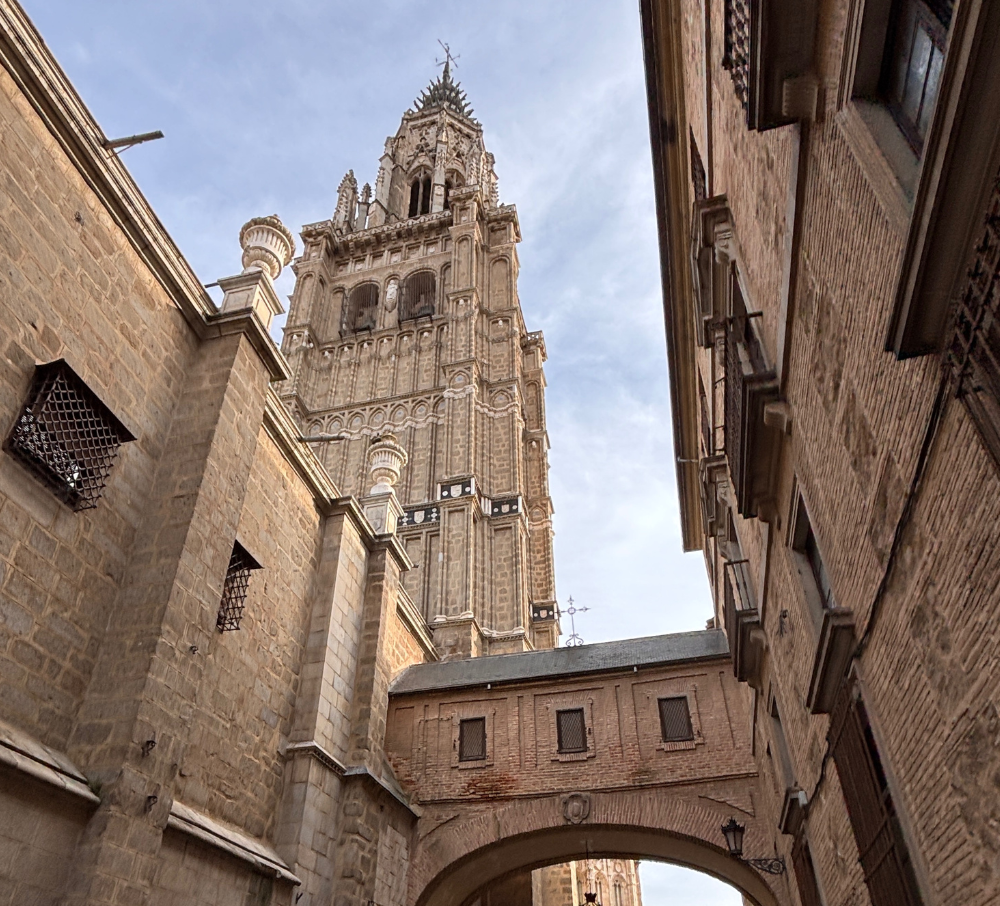
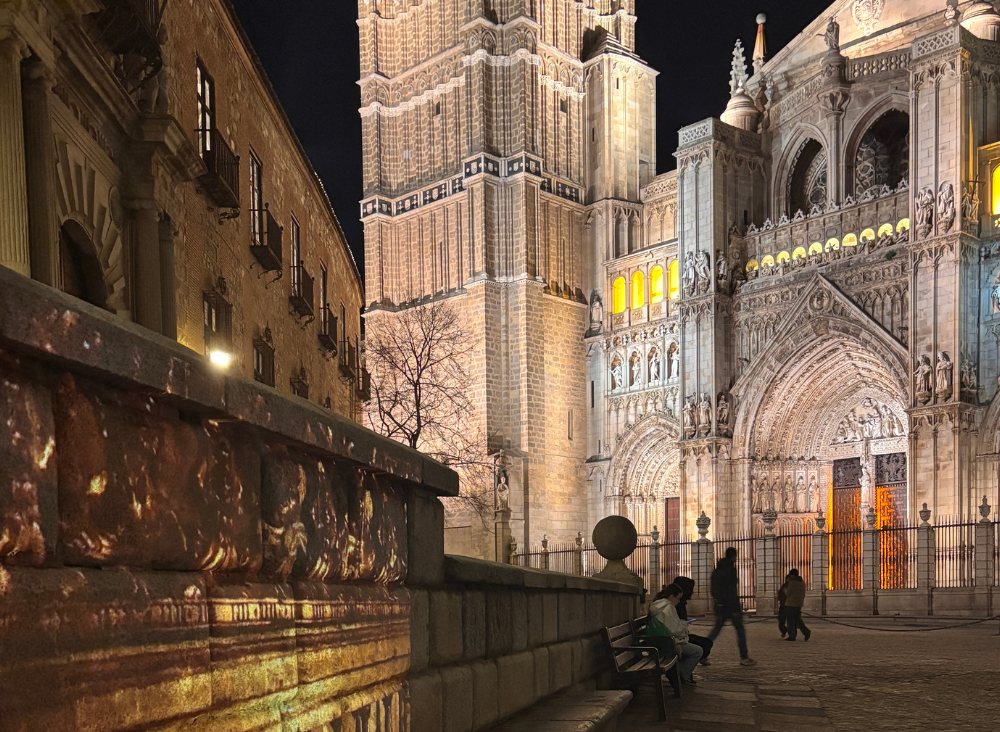
On the Plaza de las Capuchinas, emotion rises. Lucía learns that Buñuel shot one of the key scenes of Tristana right there, “justo allí”. Using a tablet, Guille shows how Lorens makes it possible to overlay fiction directly onto real urban space. At nightfall, Guille uses the same approach in front of the cathedral. Scenes from The Three Musketeers invite visitors to rediscover this historical and cinematic symbol.
A night-time finale with Lazarillo de Tormes
The final highlight unfolds at Santo Domingo el Real, with a night-time screening of Lazarillo de Tormes. In striking contrasts of light and shadow, Lorens reveals how the city has evolved since the shoot. Archive images, film excerpts and testimony weave together. It’s a true visual history lesson. We see the Toledo of the 16th century, but also that of the 1950s and of today. Finally, we discover how cinema has transformed, reimagined and retold it.