

Why Film Memory Has Become a Strategic Asset for Territories
Something important is happening in the travel industry, and film memory is at its heart.
Travel agencies and tour operators are no longer using cinema as a marketing gimmick or a niche product for film fans. Increasingly, they are structuring entire travel experiences around the emotional relationship between audiovisual stories and real places.



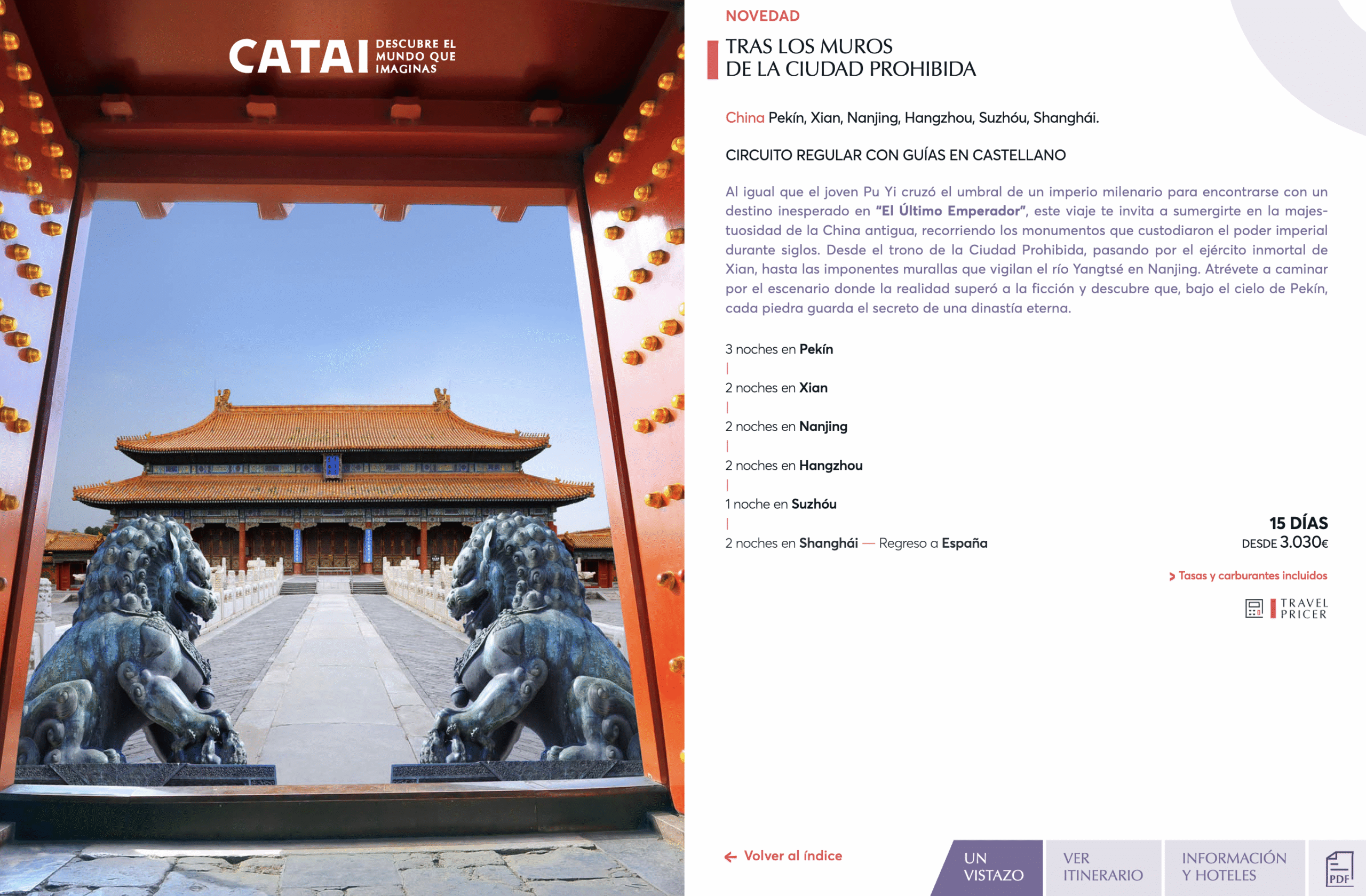
CATAI
A recent example comes from Spain. There, tour operator Catai launched a full catalogue of trips inspired by films and TV series. This is not anecdotal. It reflects a much deeper transformation in the way people imagine, promote and experience destinations.
For years, many reduced film tourism to one simplistic idea: visiting filming locations. But the real value of screen tourism has never been about the set itself.
It lies in the emotional memory attached to places.
Film memory: transform audiovisual into cultural experience
People do not travel only to “see” a destination. They travel to reconnect with emotions they first experienced through cinema, television or streaming platforms. A city seen on screen becomes familiar before the visitor even arrives. The audiovisual image creates proximity, curiosity and emotional projection long before tourism marketing intervenes. This changes the role of territories entirely. The question is no longer: “Which film was shot here?”
The real question becomes:
“How can a territory transform audiovisual emotion into meaningful cultural experience?”
And this is precisely where local authorities, tourism boards and cultural institutions now have a major role to play.

Movies = Culture
Because a territory’s filmed memory is as legitimate as other forms of cultural mediation. Museums, guides and heritage institutions have long used those. Cinema has become one of the world’s most powerful languages of discovery.
Ignoring this reality would mean ignoring the way millions of people now emotionally connect with places.

Film Memory as a Key.
At Lorens, this is exactly the vision we are currently developing alongside territories and cultural stakeholders. We believe film memory is a genuine cultural resource. It can help inhabitants rediscover their own environment. At the same time, it offers visitors from around the world a deeper and more meaningful understanding of a destination.


It is becoming a new cultural language for territories themselves.
This approach requires more than simply identifying shooting locations. It requires interpretation, storytelling, historical context and cultural mediation. In other words: transforming audiovisual imagination into territorial understanding.
And when major travel companies begin structuring entire tourism offers around these dynamics, one thing becomes increasingly clear:
screen tourism is no longer an emerging niche.
It is becoming a new cultural language for territories themselves.