Lorens Toolkit is rolling out at FITUR
Lorens Toolkit at FITUR 2026: Cinema as a Key to Reading Destinations
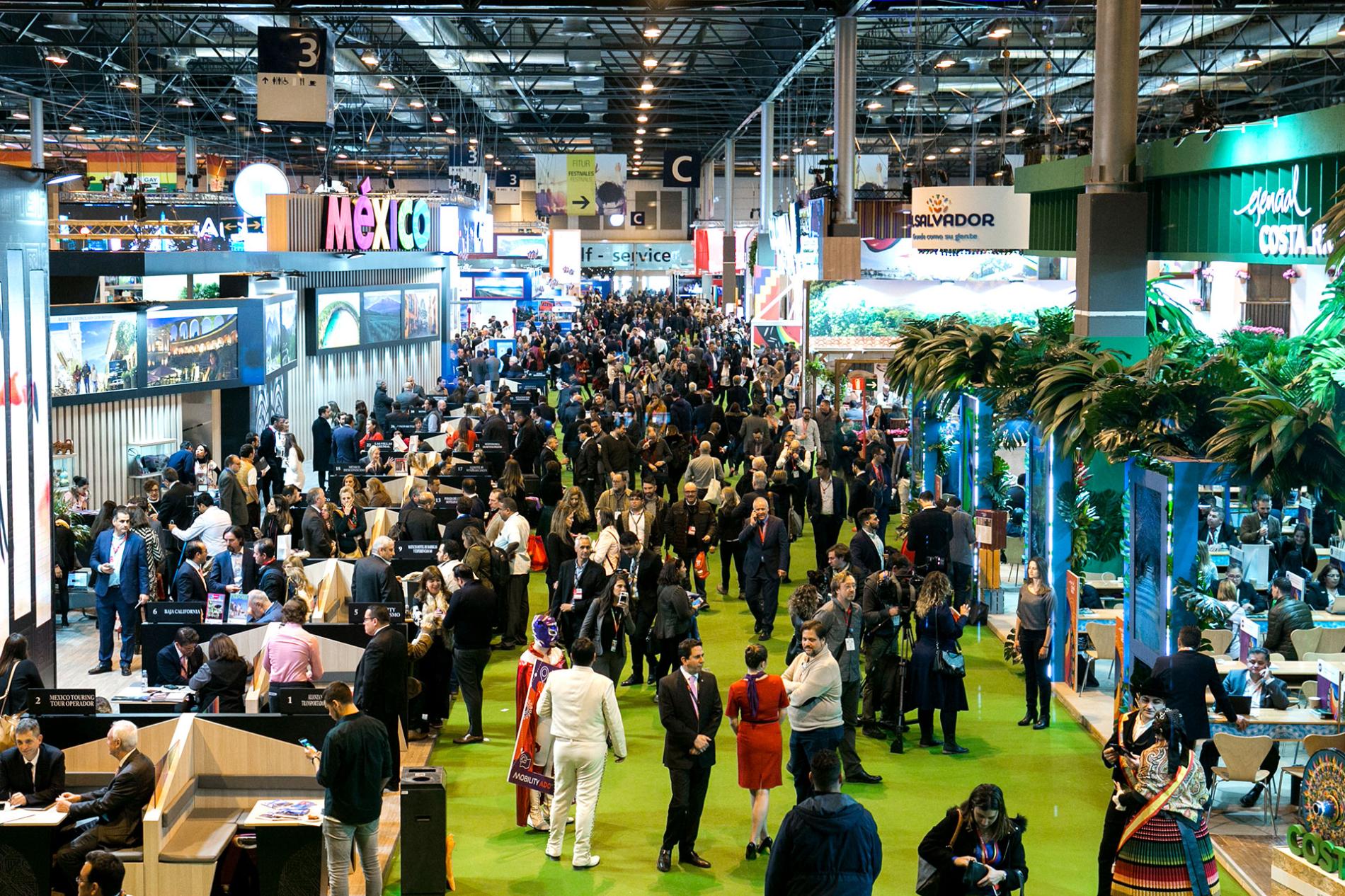
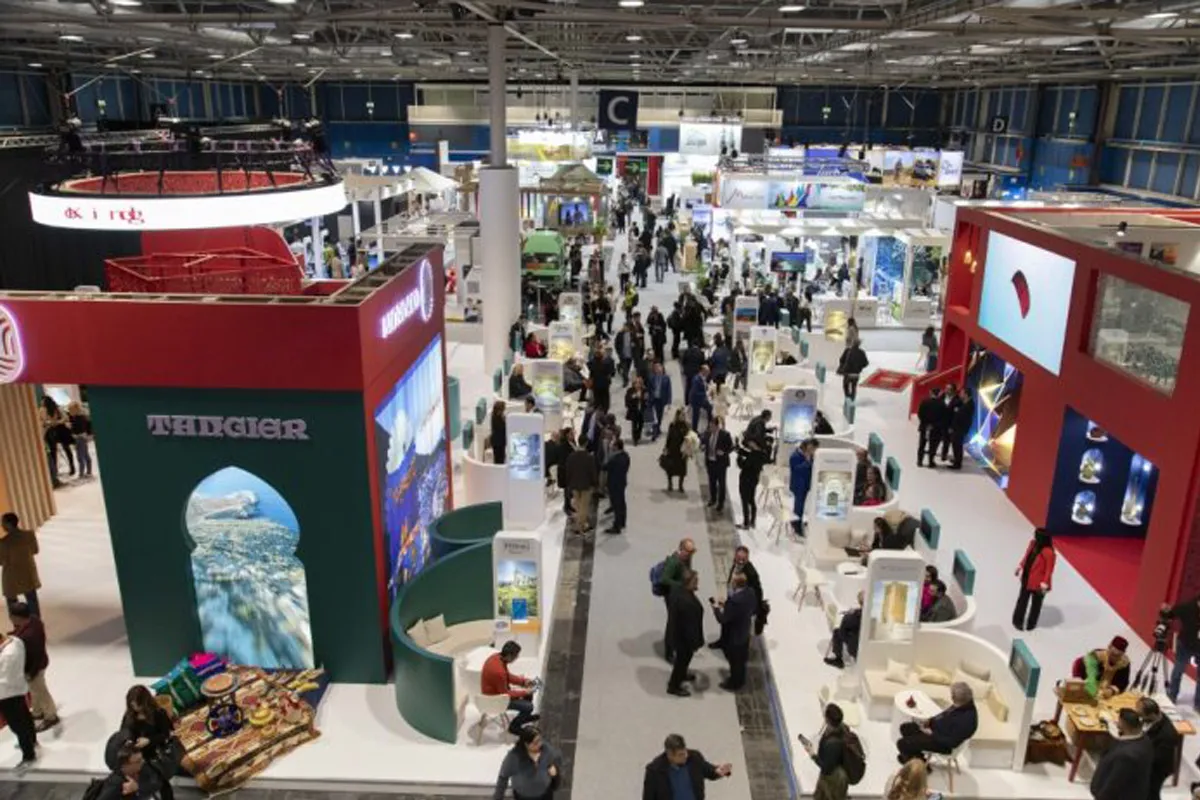
On 23 January 2026, Lorens is present at FITUR in Madrid to present Lorens Toolkit, during an official act hosted on the stand of Turismo de Sevilla. This presentation marks an important step in the public deployment of the tool, now active across several territories and officially launched for Madrid on the occasion of the fair.
The presentation takes place in the presence of Juanjo Domínguez, Director General of Tourism of Seville, and Ana Alonso, founder of The Travelling Set, who presents the results of a recent impact study on screen tourism in Spain. This context helps situate Lorens Toolkit within a broader perspective: that of a cultural tourism model that uses cinema not as a derivative product, but as a shared language between territories, visitors and professionals.
At the heart of the presentation lies a simple yet structuring idea: cinema can become a key to reading destinations, just like history, architecture, literature, painting or folklore. With Lorens Toolkit, this key becomes a concrete, operational tool designed for guides, cultural institutions and territories.
Lorens Toolkit proposes a radically different approach to traditional screen tourism.
It is neither about visiting filming sets nor about fan-oriented routes, but about a narrative and pedagogical device that activates the film memory of a place to enrich any guided tour. Carefully curated cinematic sequences are short, immediately playable and designed to create a strong emotional connection with the destination.
At FITUR, the focus is placed on the collective and structuring dimension of the tool. Lorens Toolkit is not a standalone application, but a platform conceived to be deployed at the scale of a territory, in collaboration with tourism boards, guide associations and local institutions. It allows the coordination of a coherent cultural offer, the training of professionals, and the positioning of cinema as a strategic driver of tourism attractiveness.
The presentation also demonstrates how Lorens Toolkit integrates naturally into the daily work of guides. Without adding complexity or technical constraints, the tool supports storytelling, reinforces audience attention, and opens a new register of emotion and understanding.
The interest generated during this presentation confirms a strong expectation within the sector: the need for a tool capable of transforming film heritage into a living, shared and operational resource. FITUR 2026 thus represents a new milestone for Lorens Toolkit, which continues its deployment in Spain and across Europe, with a clear ambition: to make cinema a sustainable cultural lever for destinations.
With Lorens Toolkit, cinema is no longer a backdrop or an anecdote. It becomes a language, a mediation tool and a source of meaning for cultural tourism.