

Versailles in Film: “No, Madam, It’s Versailles!”
The Palace of Versailles, one of France’s most iconic landmarks, has long fascinated filmmakers. Its grand architecture, sweeping gardens and history steeped in intrigue make it a natural setting. Stories about power, beauty and excess thrive there. From period dramas to contemporary productions, Versailles has become a film backdrop that embodies both magnificence and drama.


A Perfect Stage for Historical Epics
Directors have frequently turned to Versailles when recreating the reign of Louis XIV and the splendor of the French monarchy. For example, Marie Antoinette (2006) by Sofia Coppola captured the palace’s gilded halls and chandeliers. Likewise, The Queen’s Necklace (1946) showed its opulent ballrooms. Its authenticity allows audiences to step directly into the past, giving historical reconstructions a visual credibility no studio could match.
Versailles and Jeanne du Barry
More recently, Jeanne du Barry (2023) by Maïwenn renewed the palace’s presence on the big screen. Maïwenn herself stars alongside Johnny Depp, who plays Louis XV. The film tells how the king’s last mistress rose within the rigid court of Versailles. The palace’s settings once again became central to the narrative, reinforcing the contrast between opulence and fragility, intimacy and spectacle. Its release at the Cannes Film Festival confirmed Versailles as an international icon of cinematic history.


Versailles as a Symbol of Power
Beyond the aesthetic, Versailles is a symbol of absolute monarchy and political ambition. Cinema uses the Hall of Mirrors in particular to underline themes of authority, vanity and spectacle. Filmmakers employ its reflective surfaces and vast scale to mirror the ambitions, and sometimes the downfall, of characters. It is therefore a location charged with meaning as well as beauty.

Not Just the Past: Modern Productions
Interestingly, Versailles has not been limited to historical films. Its timeless architecture has also served in thrillers, fashion films, and even music videos. The palace adapts to different narratives, proving that its cinematic value extends beyond costume drama. It continues to inspire contemporary creators who seek a striking and universal setting.

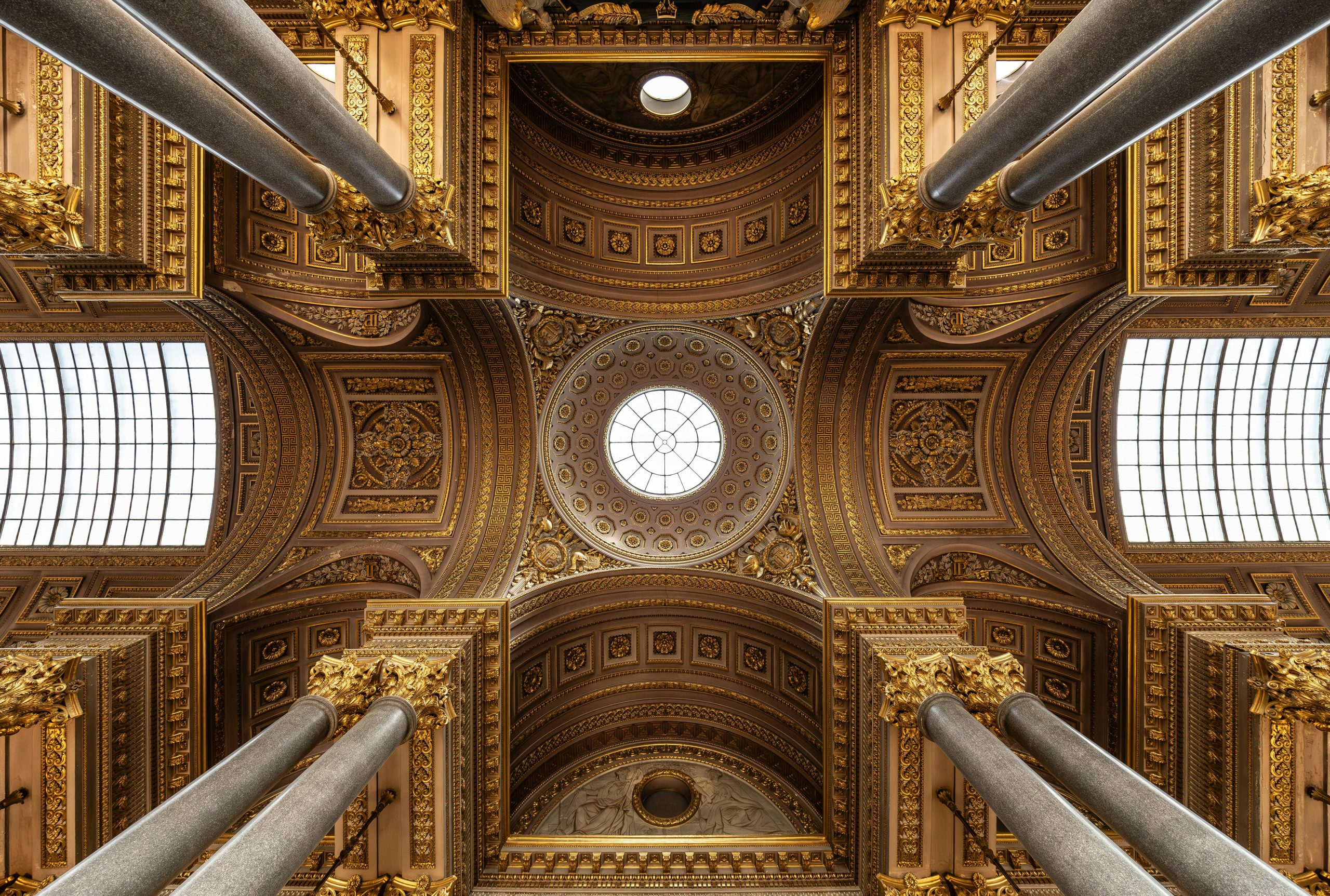
Versailles in Film: A Living Heritage
Each production filmed at Versailles contributes to renewing the image of the palace. Cinema transforms it from a museum of French history into a living cultural reference. By appearing on screen, Versailles reaches audiences worldwide, inspiring tourism, fascination, and renewed interest in its heritage. In this way, film makes the palace more than a monument of the past. It becomes a stage for ongoing stories.